
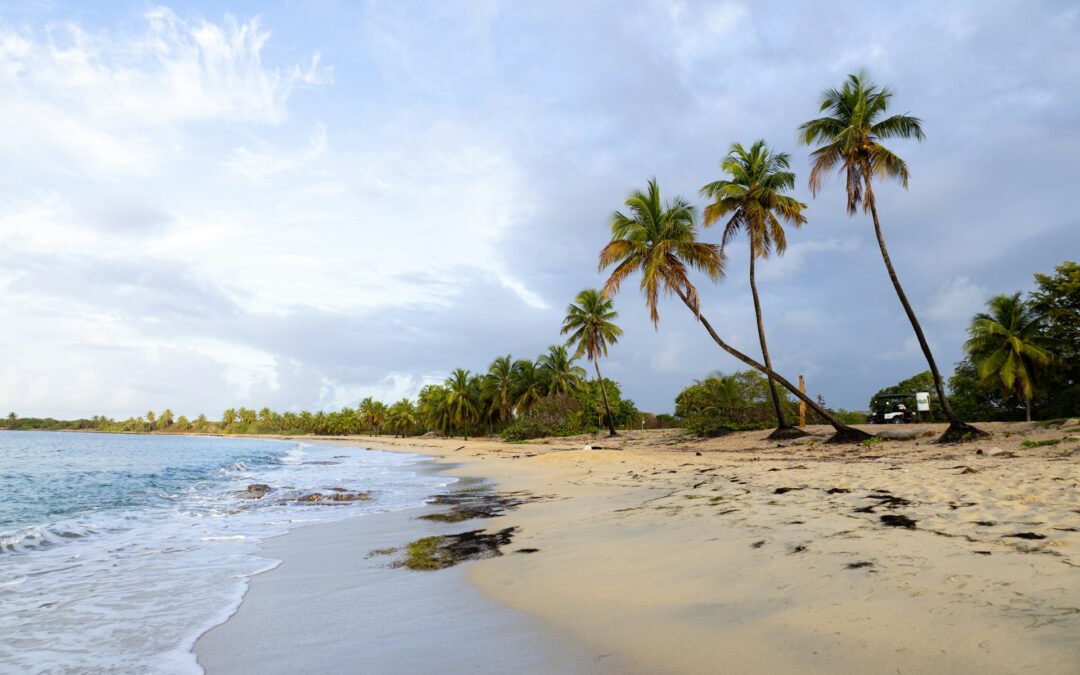
Puerto Rico’s beaches are a major draw for visitors and locals alike, but ocean conditions can change quickly. Understanding rip currents in Puerto Rico is essential for anyone spending time in the water.
What Are Rip Currents?
Rip currents are strong, narrow channels of water that move away from the shore. They form when waves break near the shoreline, and water flows back out to sea through deeper gaps.
These currents:
- Can occur at any Puerto Rico beach with waves
- Often move faster than an Olympic swimmer
- May not be visible to the untrained eye
Check Beach Conditions Before You Go
Before heading out, check a Puerto Rico beach safety map or forecast. Resources like Swim Safe PR provide color-coded risk levels for rip currents, helping you choose safer beaches and times to swim.
What to Do If You Get Caught in a Rip Current
Knowing how to react can make all the difference:
- Stay calm and conserve your energy
- Don’t fight the current by swimming straight to shore
- Swim parallel to the shoreline until you exit the current
- Then angle back toward the beach
- If needed, float and signal for help
Beach Safety Tips for Visitors and Residents
- Swim at beaches with lifeguards whenever possible
- Follow flag warning systems and posted signage
- Listen to local beach patrol guidance
- Avoid swimming alone or in unfamiliar areas
Stay Informed with Swim Safe PR
For up-to-date beach conditions, safety alerts, and education, visit Swim Safe PR. Their tools help travelers, hosts, and residents make informed decisions and enjoy Puerto Rico’s coastline more safely.